
Basement flood cleanup
Basement Flood Cleanup in Marietta, GA
Basement flood cleanup in Marietta, GA gets standing water out of your basement before it ruins flooring, drywall, and whatever you have stored down there. Smart Water Extraction Marietta extracts the water, checks how far it wicked up the walls, and dries the space — so a storm backup, a failed sump pump, or a burst pipe does not leave you with mold. We handle flooded basements across Marietta and nearby Cobb County.
Service overview
What Is Basement Flood Cleanup?
Basement flood cleanup Marietta GA is a water damage restoration service that removes unwanted water and dries affected building materials after a basement flood. We begin by identifying the water source and checking for electrical or contamination hazards, then extract water from floors, carpet, and accessible cavities. A moisture meter helps us track dampness beyond what you can see. We place air movers and dehumidifiers according to the materials and room layout, then recheck readings as drying progresses. The goal is to leave your basement clean, measurably drier, and ready for any needed repairs.
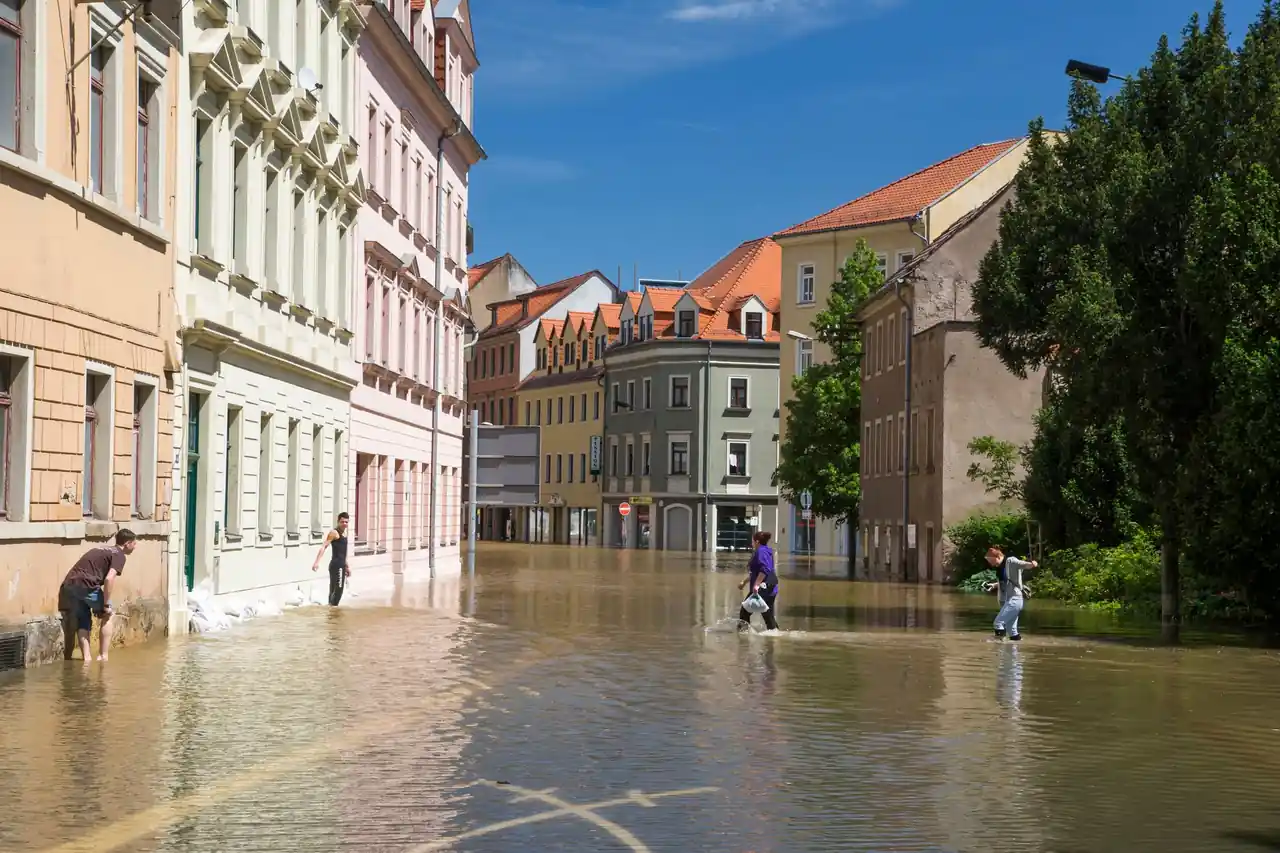
Marietta basements face water from heavy rain, groundwater pressure, plumbing failures, and equipment leaks. A clogged drain, failed sump pump, or split PEX piping can soak carpet and the lower edges of drywall before the source is obvious. Our crew handles basement flooding cleanup in Marietta, Georgia, by tracing the likely entry point and separating clean water from sewage or stormwater concerns. For a basement flood cleanup in Marietta GA near me, call promptly; standing water that remains for 24 hours can complicate drying and increase damage to porous materials.
Practical benefits
Why Basement Flood Cleanup Matters in Marietta
You need more than a wet vacuum and an open window. We remove water with equipment suited to the volume, check hidden moisture, and set a drying plan that addresses the floor, walls, and contents. You get a clear explanation of what is wet, what we are doing, and what readings will show that drying is progressing.
Water removed efficiently
We use a truck-mounted water extractor or portable water extraction unit according to access, water depth, and the affected surface. A wet/dry vacuum can handle small residual pools around corners, while a carpet wand pulls water from saturated carpet. Choosing the right tool reduces repeated passes and helps you regain safe access sooner.
Hidden moisture checked
Water can travel behind baseboards and beneath flooring even when the surface looks dry. We use a moisture meter to compare affected areas with dry reference points and identify where more drying is needed. You receive a practical explanation of the readings, so a damp wall cavity does not get mistaken for a completed job.
Drying matched to materials
Carpet, concrete, framing, and drywall release moisture at different rates. We position air movers to circulate air across wet surfaces and pair them with a dehumidifier to remove moisture from the room. For suitable hard floors, a floor drying mat system directs controlled airflow beneath the surface instead of relying on room air alone.
Safer cleanup decisions
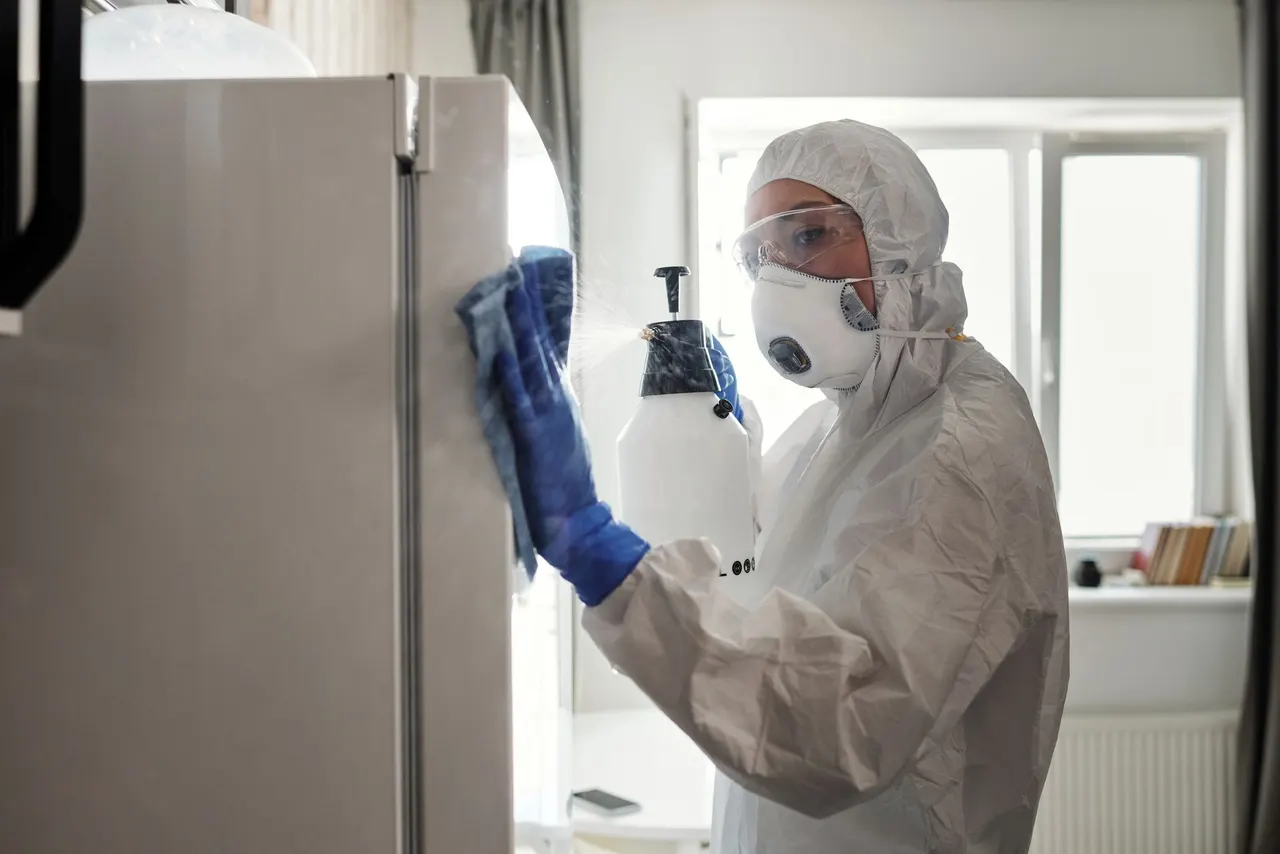
Water from a clean supply line is handled differently from sewage backup or stormwater that may carry contaminants. We assess the source before treating materials and use an antimicrobial solution where the condition calls for it. If you have electrical equipment near standing water, keep clear and let us assess the area before cleanup begins.
How service works
What Happens During Basement Flood Cleanup?
Basement flood cleanup in Marietta follows a defined sequence: make the area safer, stop the source, remove water, dry materials, and verify progress. We explain each step before equipment is placed. A small, contained water loss may be handled in one visit; wet wall cavities, soaked insulation, or broad flooding require follow-up readings and a longer drying period.
STEP 01
Safety and source
We start by checking the water source, depth, affected rooms, and access route. If water is near outlets or electrical panels, stay out until the hazard is addressed. We look for obvious failures such as a washing machine hose, water heater leak, or sump pump problem, and identify what needs to be stopped before extraction can proceed.
Tools and methods
Equipment and Drying Methods for a Flooded Basement
Truck-mounted water extractor
We use high-capacity extraction where vehicle access and the route into the basement allow it. It removes substantial standing water quickly before detailed edge and carpet work.
Portable water extraction unit
A portable unit reaches basements with narrow stairs, limited parking access, or finished layouts that are difficult to serve from a truck-mounted setup.
Moisture meter
We use readings to compare affected building materials with dry reference areas and track whether moisture levels are falling during the drying process.
Air mover and dehumidifier
Air movers direct circulation across wet surfaces while a dehumidifier removes moisture from the room air. Placement is adjusted to the material and room conditions.
Thermal imaging camera
A thermal imaging camera helps locate temperature patterns that can indicate a possible concealed moisture area. We confirm suspected conditions with appropriate physical moisture checks.
Carpet wand
We use a carpet wand with extraction equipment to remove water held in carpet fibers and accessible backing, then check whether the padding and floor below remain wet.
ANSI/IICRC S500-guided assessment
We assess the water source, affected materials, and conditions before selecting a cleanup approach. ANSI/IICRC S500 principles help organize water damage restoration work, documentation, and decisions about extraction and drying. The water category matters: a clean supply-line leak is not handled like sewage backup or contaminated stormwater.
Moisture mapping and monitoring
We establish readings in affected areas and compare them with reference points in materials that were not exposed. During follow-up checks, readings show whether drying is progressing or equipment placement needs adjustment. This method helps distinguish a dry-looking surface from a dry material.
Directed structural drying
We arrange air movers to circulate air across wet materials and use dehumidification to remove moisture from the basement environment. Equipment is positioned for the specific room and materials, not placed randomly. We monitor conditions and change the setup when readings or airflow indicate a better approach.
Source and contamination control
Before cleanup, we identify whether the water came from a pipe, appliance, groundwater, or sewage backup. That assessment guides protective measures, material handling, and whether an antimicrobial solution is appropriate. We also identify active leaks that must be stopped to prevent the cleaned area from being flooded again.

Where this service fits
When Should You Call for Basement Flood Cleanup?
Heavy November rain leaves a puddle near a Marietta basement window or exterior door.
We inspect where water entered, determine whether it appears to be stormwater, and remove pooled water from floors and accessible carpet. We check the adjacent wall and stored items for moisture, then set drying equipment based on readings. If water is still coming in, we explain the source-control step needed before the area can dry. You get standing water removed and a clear record of affected areas, with drying underway and the entry point identified for follow-up repair.
A pipe bursts overnight and water reaches a finished basement before the main supply is shut off.
We check that the water source has stopped and assess safe access before bringing equipment inside. Then we extract water, inspect carpet and lower wall materials, and monitor hidden moisture. We separate clean supply water from any other contamination concerns and explain what can be dried versus what needs repair. The immediate water load is removed, damage is mapped, and drying begins without overlooking the wall and floor edges where water often remains.
A sump pump stops during a storm and groundwater collects around basement storage.
We identify how far water spread, remove it from accessible surfaces, and check whether stored items are wet or contaminated. Our crew measures affected floor and wall materials, then positions air movers and dehumidification. We note that the pump or drainage problem must be corrected to reduce repeat flooding. Your basement is cleared of pooled water and the affected materials are placed on a monitored drying plan while the source problem is addressed.
A washing machine hose fails in a Sandy Plains laundry room and water flows toward the basement hall.
We trace the wet path from the laundry area, extract water from the floor and carpet, and check the adjoining wall and stair edge. We use moisture readings to guide equipment placement, then return to review drying progress. We also confirm the failed hose is no longer supplying water before cleanup proceeds. Water is removed from the laundry route, hidden damp spots are checked, and the next repair and drying steps are clear to you.
Local execution
How Basement Flood Cleanup Works in Marietta
Basement flooding in Marietta often follows intense rain, a failed sump pump, or a plumbing leak that goes unnoticed in a utility area. Georgia's humid conditions can slow evaporation, so opening a basement window is not a reliable drying plan. We assess airflow, room temperature, water source, and affected materials before setting equipment. In homes across Cobb County, finished basements may combine carpet, drywall, storage, and mechanical systems, each requiring different checks. Basement water removal Marietta homeowners need starts with stopping the source and extracting pooled water, then moves to measured drying. We use moisture readings to identify dampness at baseboards and floor edges, including areas hidden by furniture. If you have basement water removal and drying in East Cobb GA on your mind after a storm, tell us whether water is still entering and how far it spread. That helps us discuss safe access and the equipment needed. We follow applicable restoration practices and avoid making code or repair claims outside the work being performed.
East Cobb
Finished basements and storage rooms can make water paths difficult to see. We check carpet edges and lower wall sections, not just the visible puddle.
Fair Oaks
Basement access and room layouts vary. We choose extraction equipment that can reach the affected area through available stairs and entryways.
Sandy Plains
Rain-related intrusion can affect basement floors and stored contents. We identify whether water is still entering before setting a drying plan.
Westoak
A small utility-room leak can spread beyond the first visible wet spot. We check nearby floor and wall materials for moisture migration.
Humid Georgia air slows evaporation in enclosed lower levels.
A basement can remain damp even after standing water is removed, particularly when outdoor air is humid. We use dehumidification and moisture readings to guide drying rather than relying on open windows or surface appearance.
Heavy rain can expose weak drainage and window entry points.
Runoff may enter through openings or collect around a foundation, bringing debris along with it. We assess the water source and affected materials before selecting cleanup steps, then identify the entry point for follow-up correction.
Finished rooms hide moisture behind trim and stored contents.
Carpet, baseboards, and furniture can conceal water that has traveled away from the original puddle. We move accessible items where safe and use readings to identify areas that need additional drying or repair.
Problems we solve
Common Basement Water Damage in Marietta Homes
A wet basement can hide more than a puddle: moisture can remain under carpet, inside wall edges, or beneath stored items. For basement flooding cleanup in Marietta, Georgia, we focus on removing water, locating affected materials, and starting measured drying. Prompt action helps limit secondary damage and gives you a clearer path to repairs.
Water sits beneath finished carpet after a sump pump failure.
We extract accessible water from carpet and assess the floor beneath it with moisture readings. Our team checks whether the water appears clean or contaminated, then sets air movers and a dehumidifier to support drying. If the carpet or padding is not suitable to keep, we explain the reason and the next step. Water trapped under carpet can keep padding and the subfloor damp even when the room surface looks mostly dry. Lingering moisture can damage finishes and create conditions that support mold growth.
A burst pipe soaks lower drywall and stored belongings.
We identify the leak route, remove standing water, and check lower drywall, baseboards, and nearby contents. A moisture meter helps show how far the wet area extends. Once the pipe is stopped, we arrange drying airflow around affected surfaces and explain where repair work may be needed. Wet drywall can wick water upward from the floor, while cardboard boxes and fabric contents hold moisture. Delayed drying can spread the affected area beyond the original leak path.
Stormwater enters around a basement door or window.
We assess the entry point and water condition before choosing cleanup methods. Our crew extracts pooled water, separates affected contents where practical, and checks floors and wall edges for moisture. We also point out the need to correct the opening or drainage issue so the cleaned basement is not exposed to the same intrusion. Runoff can carry dirt and debris onto floors and into storage areas. If water keeps entering, extraction alone will not protect finishes or belongings from another soak.
A slow water heater leak leaves a persistent utility-room puddle.
We remove the water and inspect the surrounding floor, drain pan, and nearby materials for moisture spread. We help identify whether the visible source appears to be the tank or a connection, then set drying equipment if readings show wet building materials. The leak itself needs repair before the area can stay dry. A small, continuing leak can wet the slab, nearby storage, and the lower edge of finished walls. The damage may expand while the puddle appears minor.
A practical standard for every visit.
Clear planningPrepared arrivalsCareful workLocal follow-through
Experience in the details
Why Does My Basement Flood When It Rains?
Basement cleanup requires sound decisions about safety, water category, material behavior, and drying-not just powerful equipment. Our team follows the principles of the ANSI/IICRC S500 Standard and uses documented inspection and drying practices to guide the work. IICRC WRT training covers water damage restoration; IICRC ASD training focuses on applied structural drying. The right response depends on the source and the building, so we explain what we find rather than treating every wet basement the same way. We do not claim a specific number of years or jobs; we bring local experience to each Marietta home.
- IICRC WRT knowledge supports water-source assessment, extraction planning, and appropriate handling of affected materials.
- IICRC ASD methods inform airflow, dehumidification, and moisture monitoring during structural drying.
- ANSI/IICRC S500 principles help guide professional water damage restoration procedures and documentation.
- We distinguish a supply-line leak from sewage backup or stormwater before choosing cleanup methods.
- Moisture readings are compared over time, so you can see whether drying is advancing or needs adjustment.
Where we work
One Local Marietta Water Cleanup Team
Basement flood cleanup cost in Marietta depends on how much water is down there, which materials it reached, and how much drying the space needs. A small area of clean water and several rooms of soaked carpet and drywall are very different jobs, so the cost tracks the scope, not a flat fee. We go over what the work involves and what it covers before anything starts.
Smart Water Extraction Marietta handles basement water removal in Marietta for homes affected by plumbing leaks, sump pump failures, and stormwater. Call 03127734483 and describe the water source, depth, and whether power is affected. We will explain safe access and the extraction steps. If water is near electrical equipment, do not enter the basement until it has been assessed.
Yes, many flooded basements can be cleaned and dried, especially when extraction begins promptly and materials are assessed early. We remove standing water, check moisture in carpet and building materials, and set air movers and dehumidification where needed. Some porous items exposed to sewage or heavily contaminated floodwater may require disposal; we identify those conditions rather than treating every item as salvageable.
Water extraction often takes 2 to 6 hours, while structural drying commonly takes 3 to 5 days. A larger basement, saturated drywall, concealed moisture, or contaminated water can extend the work. We check moisture readings during the drying period and adjust equipment when conditions change. The cleanup is ready to close when readings show affected materials have reached an appropriate dry condition.
Keep exploring
Related Water Cleanup Services
Your next step is waiting
Get Basement Flood Cleanup in Marietta, GA
Standing water spreads into carpet, stored belongings, and lower wall materials if it sits. Call Smart Water Extraction Marietta at 03127734483 and tell us what happened, where the water is, and whether the source is stopped. We provide upfront pricing before work proceeds.
Start with the basics
Contact Our Marietta Water Cleanup Team
Call Smart Water Extraction Marietta at 03127734483 for help with a flooded basement, leak, or overflow. Tell us your neighborhood, the affected rooms, and whether water is still coming in, and we will talk through the practical next step. We serve Marietta, Georgia and the surrounding Cobb County areas.