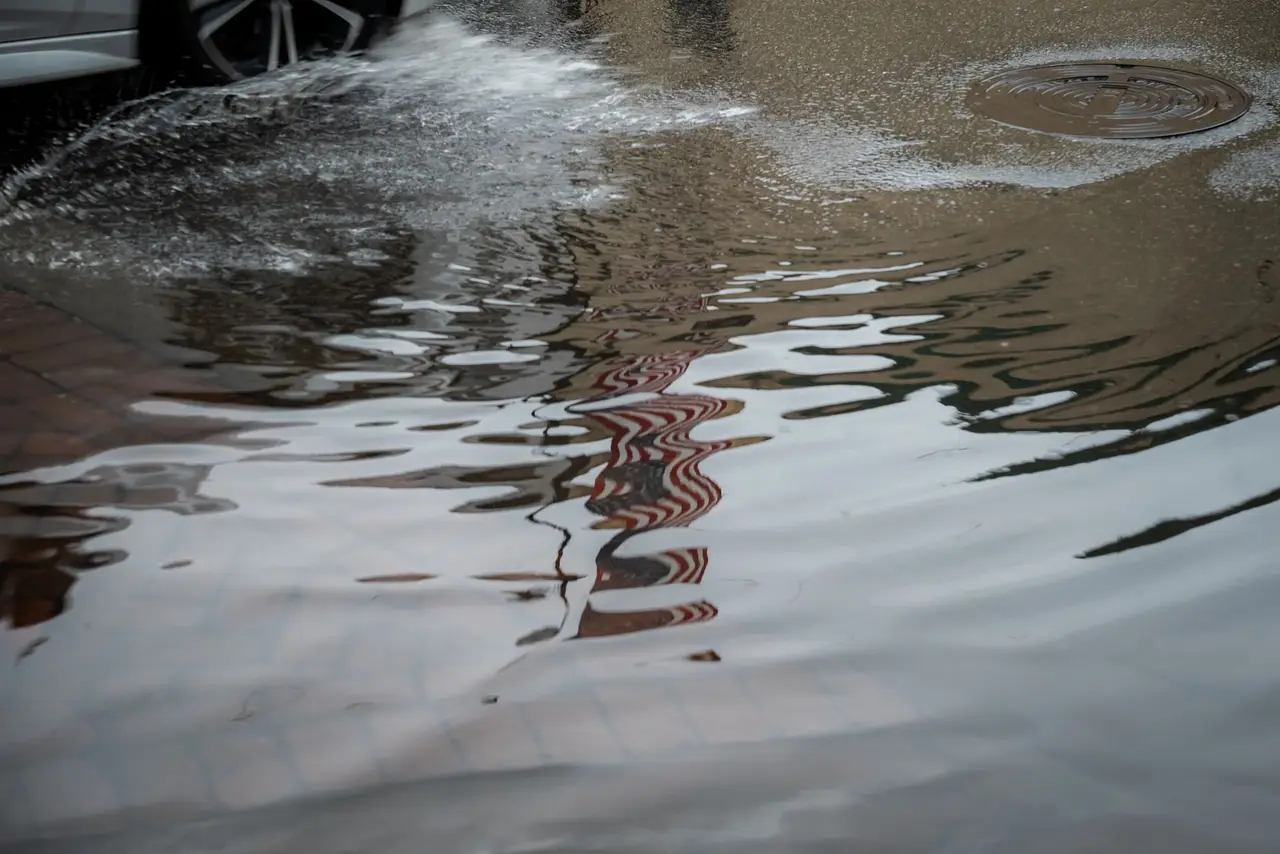
Storm and floodwater cleanup
Storm and Floodwater Cleanup in Marietta, GA
Storm and floodwater cleanup in Marietta, GA removes the water a storm pushes inside — through a roof leak, an overwhelmed drain, or runoff that finds a low doorway — before it spreads through floors and walls. Smart Water Extraction Marietta extracts the standing water, checks the materials it reached, and dries the space so storm water damage does not turn into mold. We cover storm and floodwater cleanup across Marietta and nearby Cobb County.
Service overview
What Is Storm and Floodwater Cleanup?
Storm and floodwater cleanup Marietta GA is a water-damage response service that removes storm-driven water and dries affected building materials after flooding or intrusion. We start by locating standing water, identifying its path, and checking which surfaces are wet. Extraction comes first; controlled drying follows. A truck-mounted water extractor handles accessible areas, while a portable water extraction unit reaches tighter rooms. We use moisture readings to guide equipment placement, rather than relying on a dry-looking surface. The goal is to remove water promptly and limit further damage to flooring, drywall, and contents.
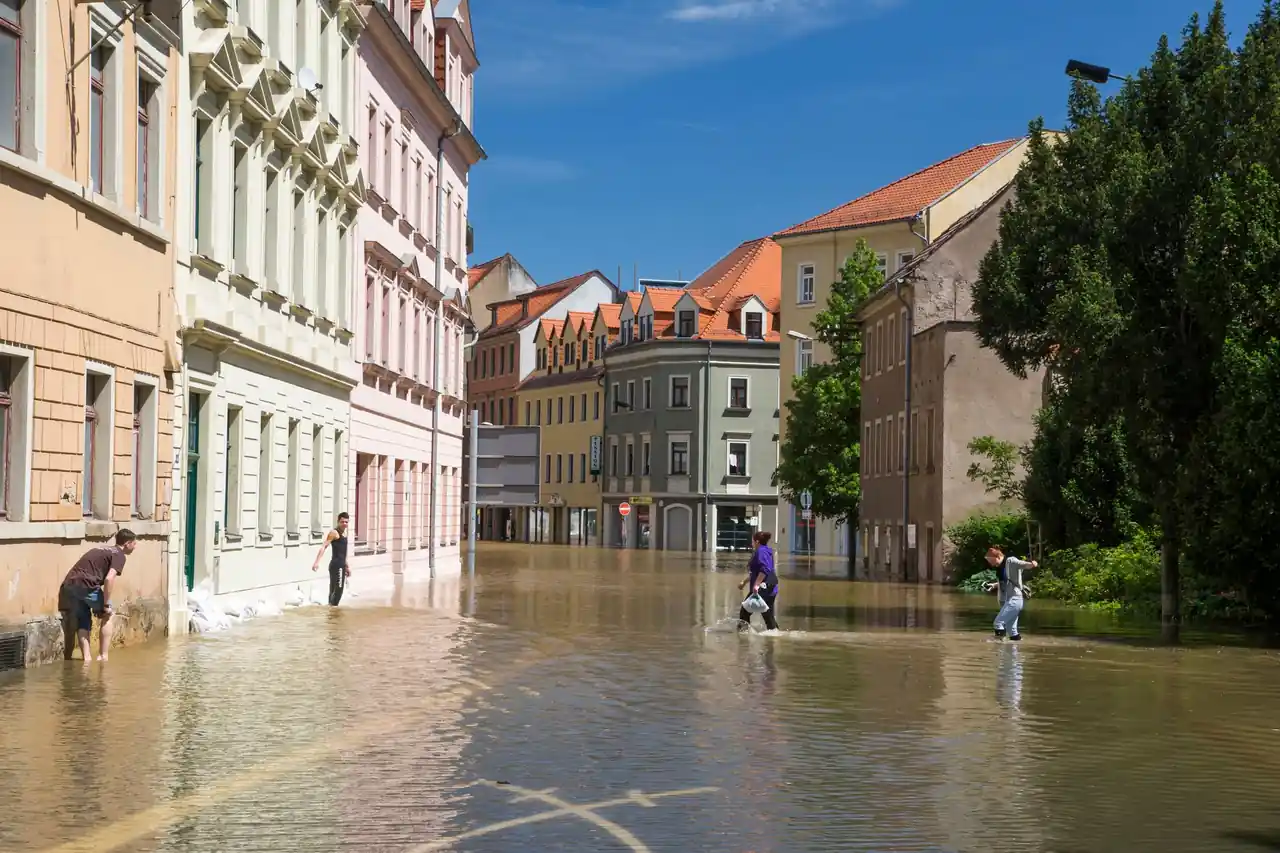
Marietta storms can push runoff through garages, crawl spaces, basement-level rooms, and openings around roofs or windows. Cobb County homes also vary in age, foundation type, and flooring, so the same rainfall can affect two properties very differently. For floodwater cleanup in Marietta, Georgia, we trace the water source and separate clean rainwater from potentially contaminated runoff before choosing a method. If you are searching for storm and floodwater cleanup in Marietta GA near me, call when water is still present or damp materials are spreading beyond the original room.
Practical benefits
Why Storm and Floodwater Cleanup Matters in Marietta
Our cleanup focuses on practical results: water out, moisture measured, and a clear drying plan for your property. We work room by room, protect unaffected areas, and explain what the equipment is doing so you can see progress instead of guessing.
Standing Water Removed
We extract pooled water from floors, carpet, and accessible lower-level spaces before it migrates farther into the building. A wet/dry vacuum or powered extractor is selected for the volume and access. Removing water early reduces the time materials stay saturated and gives the drying stage a measurable starting point.
Hidden Moisture Checked
A surface that feels dry can still hold moisture beneath flooring or inside a wall cavity. We use a moisture meter to compare affected and unaffected areas, then check suspected pockets with thermal imaging where appropriate. You get targeted drying rather than equipment placed without a clear reason.
Drying Set To Conditions
Air movers and a dehumidifier circulate air and pull moisture from the room. We adjust their placement as readings change, keeping pathways accessible and directing airflow across damp materials. For Marietta storm floodwater cleanup, this measured approach helps avoid ending the job based only on appearance.
Clear Next Steps
You receive a practical explanation of what was wet, what was extracted, and which areas need continued monitoring. We flag visible roof leaks, drainage entry points, and materials that need repair or removal. That gives you a usable record for property decisions and insurance conversations.
How service works
What Happens During Storm and Floodwater Cleanup?
Storm and floodwater cleanup in Marietta follows a clear sequence: assess the water, remove it, then dry and verify affected areas. We explain the immediate work before equipment starts and keep you informed as readings and conditions change.
STEP 01
Initial Assessment
We identify where water entered, how far it traveled, and whether it is still coming in. Our technician checks floor transitions, baseboards, carpet edges, and accessible lower areas, then discusses safety concerns such as active electrical hazards. This first visit usually takes 30 to 60 minutes, depending on the size and layout of the affected space.
Tools and methods
Equipment and Drying Methods for Storm Water Damage
Truck-mounted water extractor
We use this high-capacity extraction option for accessible areas with substantial standing water. It helps remove water quickly from suitable floors and carpet before detailed moisture checks begin.
Portable water extraction unit
A portable unit reaches confined rooms, upper floors, and locations where truck-mounted equipment cannot access. We choose it based on room layout, water volume, and safe equipment placement.
Moisture meter
We check affected materials and compare them with nearby dry areas. Readings help guide air mover placement and verify progress instead of relying only on touch or appearance.
Air mover and dehumidifier
Air movers direct airflow across wet surfaces while a dehumidifier removes moisture from the room air. We position and adjust them according to the affected material and measured conditions.
Thermal imaging camera
We use thermal imaging as a screening aid to spot temperature patterns that may indicate a moisture concern. It helps target further inspection but does not replace direct moisture readings.
ANSI/IICRC S500-informed assessment
We use the ANSI/IICRC S500 Standard as a reference for water-damage restoration decisions. The assessment considers the water source, affected materials, and extent of spread. That information guides extraction, cleaning needs, and drying rather than treating every storm event as the same kind of loss.
Source-to-spread inspection
We follow visible water from its entry point into each affected room, checking edges, transitions, and lower surfaces. This method helps separate the original source from areas reached later. If water is still entering, we explain why source control must happen alongside interior cleanup.
Measured structural drying
We establish readings in affected materials and use them to guide equipment placement. As drying proceeds, we compare new measurements with the starting condition and nearby unaffected materials. That gives you a practical basis for understanding progress and deciding when equipment can be removed.
Contamination-aware handling
We consider whether stormwater contains debris or has contacted potentially contaminated surfaces before selecting cleaning steps. Visible runoff is not automatically treated like clean supply water. We isolate affected contents where appropriate, explain the condition, and choose work practices that match the water encountered.
Where this service fits
When Should You Call for Storm Water Cleanup?
A November downpour sends runoff through your Marietta garage and toward the interior hallway.
We check whether water is still entering, remove pooled water, and inspect the garage-to-house transition. We measure damp flooring and baseboards, then place drying equipment where the readings show moisture. If drainage or a threshold is the entry route, we point it out for correction. Water is removed from the affected path, damp areas are identified, and you know which exterior issue needs attention before the next storm.
Wind-driven rain enters through a damaged roof and leaves water across a bedroom ceiling and floor.
We extract water from the room, inspect the ceiling and floor below the entry, and document the visible damage. We set drying equipment for affected materials and explain why roof repair or temporary covering must stop further rain before drying can finish. The interior water is addressed methodically, and you have a clear separation between cleanup work and the roof repair needed to prevent repeat intrusion.
Heavy rain leaves standing water in a lower-level room beside a sump pit or exterior wall.
We assess the accessible water, extract it, and check nearby flooring and wall edges for dampness. We note visible drainage concerns and use readings to place drying equipment. If the water source remains active, we discuss the immediate entry route while prioritizing safe removal. The standing water is removed, the wet footprint is mapped, and the next steps for drying and drainage are clear.
A storm knocks out power while a wet carpet and a roof leak affect two rooms.
We review the water source and affected rooms, then extract accessible water and check carpet edges and lower walls. We set equipment once power and site conditions allow safe operation, and explain the order of work. We also flag the roof opening for prompt repair. You know which materials are affected, what can be extracted immediately, and how the work proceeds once safe drying conditions are available.
Local execution
Storm and Floodwater Cleanup Across Marietta
Marietta's stormwater problems change with the property. Summer thunderstorms can drop heavy rain quickly, while November rain and wind can drive water through roof openings, garage thresholds, and window edges. Older homes, slab-on-grade construction, finished lower levels, and additions all present different paths for moisture to travel. We check the actual building instead of assuming the wettest-looking room is the only affected area. For storm damage water removal Marietta homeowners request, our team maps water movement, extracts standing water, and measures affected materials. If you need storm damage water cleanup in Sandy Plains GA, tell us whether the water came from runoff, a roof leak, or an interior plumbing issue. We serve Cobb County and surrounding Marietta neighborhoods, including ZIP codes 30090 and 30060, with additional coverage in 30064 and 30008. We keep exterior repairs distinct from interior drying: a roof or drainage opening must be corrected to stop repeat intrusion. Cleanup methods follow the condition of the water and the materials affected, with readings guiding the drying plan.
East Cobb
Homes with garages, finished rooms, and varied floor levels need a careful check of thresholds and adjoining flooring after runoff enters.
Fair Oaks
A roof leak or water crossing a doorway can affect more than the room where the first stain or puddle appears, so we trace the visible spread.
Sandy Plains
After intense rainfall, we check lower-level spaces and carpet edges for retained moisture instead of relying on a dry surface.
Elizabeth
When stormwater reaches a garage or utility area, we inspect nearby interior transitions and identify whether water is still entering.
Short, heavy thunderstorms overwhelm roof drainage and exterior collection points.
Rapid runoff can reach garage thresholds, lower-level rooms, or foundation edges before the rain eases. We prioritize standing water, then check the path of entry so damp areas beyond the obvious puddle are included.
Wind-driven November rain finds gaps around roofs, windows, and exterior doors.
A small opening can wet ceiling materials or spread water along a wall. We extract interior water and check adjacent surfaces, while identifying the need to close or repair the entry point before drying is complete.
Mixed building ages create different flooring and wall assemblies.
Tile, carpet, hardwood, and finished lower-level walls retain moisture differently. We use material-specific checks and readings to choose equipment placement, rather than applying one drying setup throughout the property.
Problems we solve
Common Storm Water Damage in Marietta Homes
Floodwater left in a building can travel beyond the puddle, soaking carpet, trim, and lower wall sections. We remove accessible water and check where moisture has moved so you can address the full affected area. Early assessment is especially useful when water enters more than one room.
Rainwater crosses the garage threshold and reaches the house.
We extract water from the garage and inspect the transition into the house, including flooring edges and nearby baseboards. We check whether water is still entering and identify the visible threshold or drainage concern. Drying equipment is set only where readings and material conditions show it is needed. Water can soak stored items and move under interior flooring, leaving damp edges that are easy to miss after the visible puddle is gone.
A roof leak wets a ceiling and drips into a living space.
We remove water from affected interior surfaces and check the ceiling area and floor below for signs of spread. We document the visible impact and explain that the roof opening needs repair or temporary protection to stop further entry. Once the source is controlled, we continue drying and verify readings. Moisture can stain ceilings, wet insulation, and damage flooring or contents below, especially if another rain event reaches the same opening.
Storm runoff pools in a lower-level room or crawl space.
We assess accessible areas, extract standing water, and check surrounding materials for moisture. For crawl space moisture, we focus on safe access and the visible extent of the intrusion. We then set a targeted drying plan and identify drainage or entry issues that need correction. Persistent moisture can affect stored belongings, floor assemblies, and nearby framing, while limited access makes the full wet area harder to see.
Water reaches carpet and spreads beneath the visible surface.
We extract water from the carpet, check its edges and underlying materials where accessible, and use readings to determine the next drying step. If water quality or saturation makes a material unsuitable to retain, we explain the condition and coordinate the needed removal or replacement. Wet carpet can hold water against the pad and subfloor, and a dry-looking top does not confirm the materials underneath are dry.

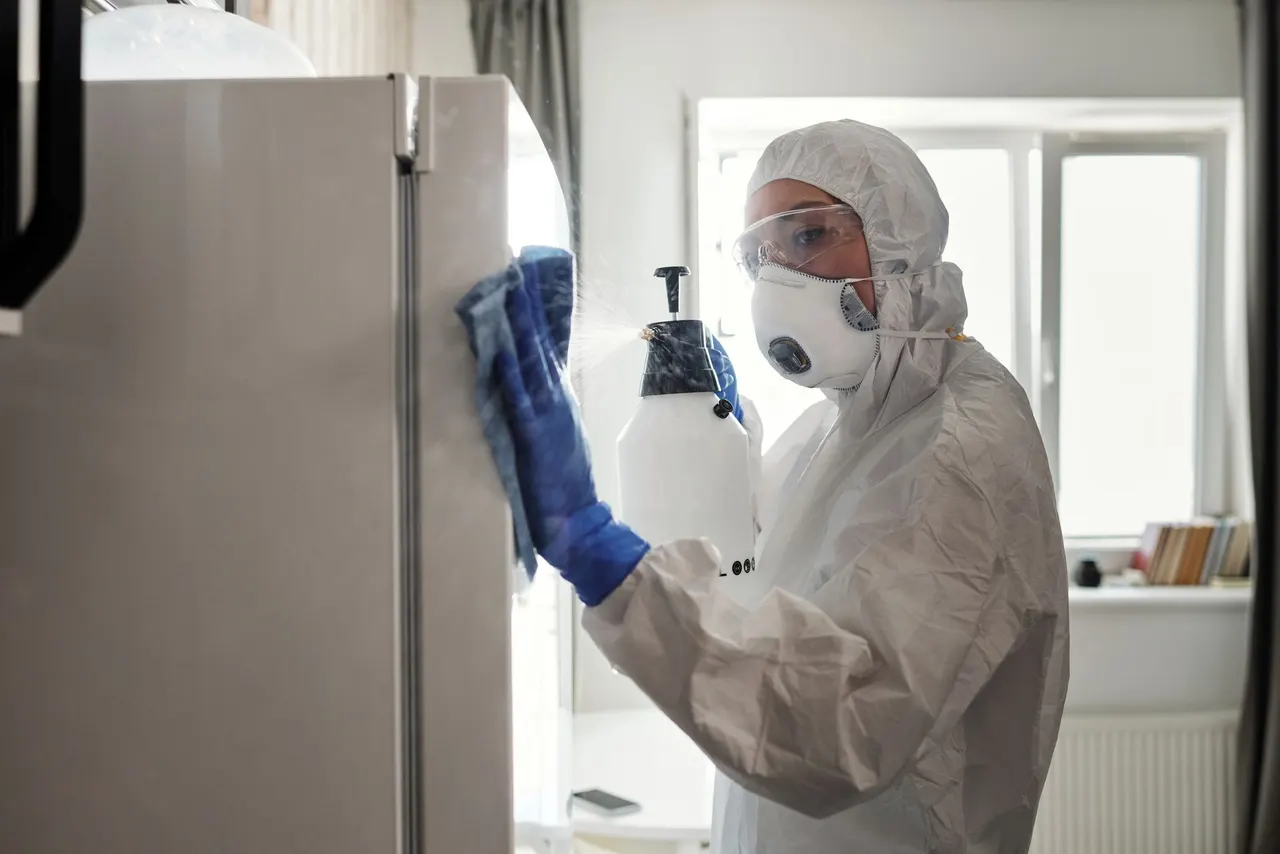
A practical standard for every visit.
Clear planningPrepared arrivalsCareful workLocal follow-through
Experience in the details
What Should You Do After Storm Flooding?
Storm cleanup requires more than pumping water from the lowest spot. We assess water category, material type, hidden moisture, and the safest drying sequence for your building. Our work follows the ANSI/IICRC S500 Standard as a technical reference, and our team applies water-damage and structural-drying training to each job. We document conditions, use readings to guide drying, and adjust equipment as the building responds. That local experience helps us work carefully in Marietta homes, rental properties, and commercial spaces without making unsupported promises about how long every job will take.
- We use moisture readings to distinguish damp materials from dry comparison areas and to guide equipment placement.
- Our technicians apply IICRC WRT training principles when assessing water intrusion and planning extraction.
- We document visible storm entry points so you can coordinate roof, drainage, or exterior repairs.
- We use controlled drying methods informed by IICRC ASD training for affected structural materials.
- We adapt the plan for carpet, hard flooring, wall cavities, and lower-level spaces rather than using one setup everywhere.
Where we work
One Local Marietta Water Cleanup Team
Smart Water Extraction Marietta handles storm floodwater cleanup for homes and businesses across Marietta, Georgia. We assess the source, extract standing water, and check affected materials before setting drying equipment. Call 03127734483 and tell us which rooms are wet, whether water is still entering, and whether it came from runoff or a roof leak. That helps us understand the immediate conditions and the equipment the job may require.
Storm cleanup cost in Marietta depends on how much water came in, which materials it reached, and how much drying the space needs. A contained entry and a whole-floor flood are very different jobs, so the cost tracks the scope, not a flat fee. We go over what the work involves and what it covers before anything starts.
Coverage depends on your policy, the water source, and any flood endorsements; policies often treat storm runoff differently from sudden roof leaks. We can document visible damage, affected rooms, and moisture readings for your records, but your insurer makes the coverage decision. Photograph the water and damaged items before moving them if it is safe, and contact your carrier promptly. We can explain the cleanup findings in plain language.
A small, accessible room can often be extracted in one to three hours; larger or deeper flooding takes longer. We prioritize active standing water, then inspect materials and set drying equipment. Emergency floodwater removal in Marietta, Georgia starts with a call to 03127734483 and details about water depth, access, and whether the source is controlled. Drying commonly continues beyond extraction, with readings guiding when equipment can be removed.
Keep exploring
Related Water Cleanup Services
Your next step is waiting
Call for Storm and Floodwater Cleanup in Marietta, GA
Standing water spreads into flooring and wall edges while it sits. Call Smart Water Extraction Marietta at 03127734483, describe the water source and affected rooms, and get clear, upfront pricing for the cleanup work.
Start with the basics
Contact Our Marietta Water Cleanup Team
Call Smart Water Extraction Marietta at 03127734483 for help with storm flooding, a leak, or an overflow. Tell us your neighborhood, the affected rooms, and whether water is still coming in, and we will talk through the practical next step. We serve Marietta, Georgia and the surrounding Cobb County areas.