Signs of hidden water damage behind walls
Musty odors, bubbling paint, stains, and soft drywall can point to a hidden leak. Learn how Marietta homeowners can spot wall water damage and act early.
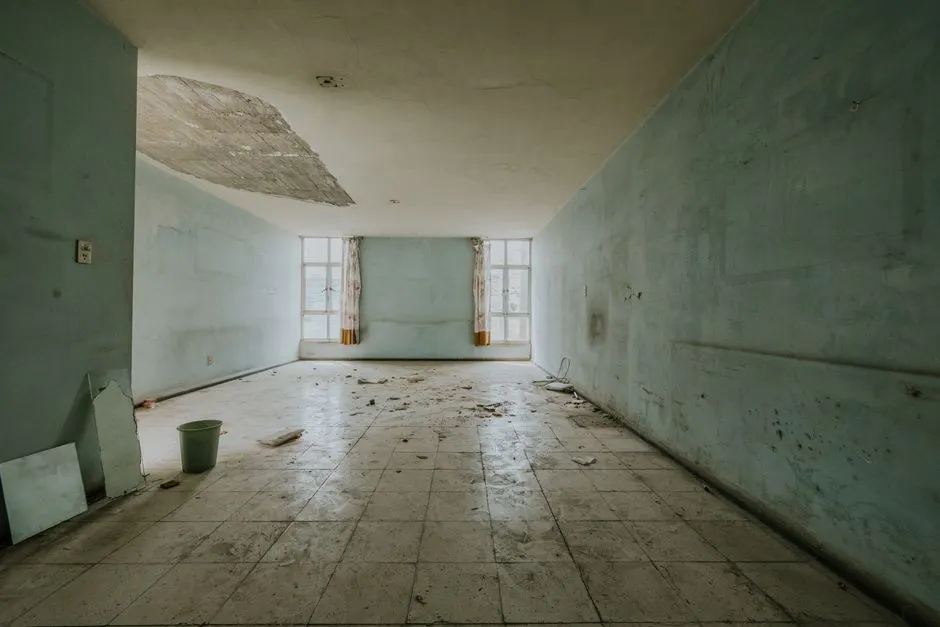
Hidden water damage behind walls usually shows up as a persistent musty smell, peeling or bubbling paint, unexplained stains, soft drywall, or a sudden rise in your water bill. In Marietta, these clues often point to a slow plumbing leak, roof intrusion, or water moving in from a wet area before you see a puddle. The earlier you find the source, the less wall material and flooring usually need to be dried or removed. We explain what to look for, how to check safely, and when professional detection and extraction make sense.
Signs of hidden water damage behind walls in Marietta GA is a set of visible, tactile, and odor clues that indicate moisture has reached wall materials before a leak becomes obvious. One clue alone does not confirm a leak, but a repeated or worsening pattern deserves attention.
What are the signs of hidden water damage behind walls in Marietta GA?
The main signs of hidden water damage behind walls in Marietta, Georgia, are musty odors, discoloration, blistering paint, swollen trim, soft drywall, and unexplained moisture near plumbing or exterior walls. A wall can look nearly normal while insulation and framing remain wet.
Check the whole area rather than focusing on one spot. A stain near a ceiling could begin at the roof or an upstairs bathroom, then travel down framing before appearing several feet from the source. Look for changes that return after cleaning or repainting.
- Smell: A damp, earthy odor that remains after you air out the room, especially inside a cabinet or closet.
- Surface changes: Paint bubbles, wallpaper lifts, drywall seams swell, or baseboards pull away.
- Touch: A localized patch feels cool, damp, soft, or crumbly compared with nearby wallboard.
- Nearby clues: A toilet, shower, sink, refrigerator line, or HVAC unit sits on the other side of the wall.
A small yellow or brown mark is not always proof of active water; old stains can remain after a leak has stopped. But a mark that grows, darkens, or feels damp needs a source check. If the damage follows an upstairs bathroom or a supply line, our water extraction Marietta GA service helps address the water and the affected materials, rather than just covering the stain.
Why water damage hides inside Marietta walls
Water damage hides inside Marietta walls because water can travel through drywall, insulation, framing, and gaps around pipes before reaching an open surface. The first visible stain is not always directly below the leak.
Supply-line leaks can release water continuously at low volume, while a drain leak often appears only when a sink, shower, or appliance runs. Roof leaks may follow rafters and framing; wind-driven rain can enter at a flashing or roof penetration and show up well away from the entry point. Cold-water pipes also collect condensation during humid Georgia summers, and a poorly insulated line can leave recurring dampness in a concealed cavity.
Marietta's damp, mild winters and humid summers make odors linger in enclosed spaces. During November and winter rains, inspect ceilings beneath roof valleys and exterior walls after prolonged rain; in summer, check around air-conditioning drain lines and cold-water pipes. If you live near East Cobb and notice a stain after a storm, the roof edge, window flashing, and wall penetrations are all worth tracing. We provide water extraction in East Cobb for nearby homes dealing with leaks and water intrusion.
Typical building materials give water plenty of places to spread. Standard drywall is often about 1/2 inch thick, but insulation behind it can hold moisture against wood studs for days if airflow is limited. In a two-story home, a leak from a bathroom supply line can stain a first-floor ceiling only after water has followed a joist or pipe opening.
How do I know if I have water damage behind walls in Marietta Georgia?
You can check for water damage behind walls in Marietta, Georgia, by comparing the suspect area with dry surfaces, tracking changes, checking nearby water use, and using a moisture meter without opening the wall. A professional inspection can map moisture and help identify its source.
Start with a visual check in good light. Note the stain's outline, measure its width, and take a dated photo; check again in 24 to 48 hours. A growing mark, fresh dampness, or new odor is more useful evidence than a single old discoloration.
Next, consider the location and timing. Does the odor intensify after someone showers? Does the wall become damp after the dishwasher runs? Does the spot appear after rain? These patterns help narrow the likely source, but they do not prove which pipe or building opening is responsible.
A handheld moisture meter gives comparative readings across the suspect area and a dry section of the same wall. It does not identify the leak on its own, and metal studs, wiring, foil-backed materials, and surface finishes can affect readings. Thermal cameras can reveal temperature differences associated with moisture, but they also need interpretation; a cool patch can have other causes.
For wall water damage detection Marietta GA homeowners should look for a combination of clues, not rely on one tool or one reading. Our team traces the affected area, checks likely plumbing and building-entry points, and uses moisture readings to guide a targeted inspection. That helps avoid unnecessary demolition while still finding wet material that needs attention.
How to respond when you suspect a hidden leak
When you suspect a hidden leak in Marietta, stop nearby water use, protect belongings, and shut off the relevant fixture or main supply if water is actively escaping. Then document the change and arrange a source inspection.
If the leak appears tied to a sink, toilet, or appliance, turn off its local shutoff valve if you can reach it safely. If water is running inside a wall or you cannot identify the fixture, close the home's main water valve. Keep clear of wet outlets, switches, and electrical equipment; never touch an energized device while standing on a damp floor.
Move furniture, rugs, and stored items away from the wall. Avoid pressing on soft drywall, which can collapse, and do not cut an opening before checking for wiring or pipes. If water is near a ceiling light, leave the area and have the electrical hazard assessed before anyone works around it.
Once the water source is controlled, take photos and record when you first noticed the odor, stain, or soft spot. If a pipe has burst, fast extraction and drying matter because wet materials can deteriorate quickly. We handle burst pipe water cleanup Marietta GA, including removal of standing water and drying affected building materials.
Professional drying uses air movement and dehumidification matched to the affected space. Indoor humidity is commonly managed around 30% to 50%; the right equipment and duration depend on the amount of water, materials, and readings as the wall dries. A few hours of surface airflow cannot reliably dry wet insulation behind a closed wall.
Common mistakes that make wall damage worse
Common mistakes with hidden water damage in Marietta include painting over a stain, relying on smell alone, and delaying action because no water is visible. These shortcuts can hide a symptom while wet material remains inside the wall.
Paint and stain-blocking primer cover discoloration, not moisture. If the leak continues, the mark returns, paint blisters, or the drywall softens. Similarly, a room can stop smelling musty after you open a window while the cavity stays wet.
- Do not assume the visible stain marks the leak's exact location.
- Do not use a household fan as the only drying plan for a wall cavity.
- Do not seal damp drywall or insulation behind new trim or paint.
- Do not ignore a water-meter change: with all taps and water-using appliances off, a moving meter can signal a leak.
A mold test kit is not a substitute for finding and stopping the moisture source. Mold can grow on damp materials, and visible growth or a persistent earthy odor calls for moisture correction and an appropriate cleanup plan. If you see widespread growth, keep people from disturbing it while the wet area is assessed.
When to call a professional in Marietta
Call a water-damage professional in Marietta when a stain expands, drywall feels soft, a musty odor persists for more than a day, or a leak is hidden inside a wall or ceiling. Active water near electrical fixtures needs immediate attention.
We also recommend prompt help when moisture returns after you have shut off a fixture, when several rooms show signs, or when a ceiling begins to sag. A bulging ceiling can hold water and fail without warning, so keep people clear rather than poking or cutting it.
Our technicians use moisture readings and visual inspection to identify affected areas, remove standing water where present, and set up drying equipment. We explain what the readings show and give upfront pricing before the work proceeds. For an unknown source, finding the origin matters as much as drying the wall; otherwise the same damage can return.
If you are searching for a hidden water leak near me, Smart Water Extraction Marietta can help you sort out whether the signs point to an active leak and what needs drying. We focus on the affected area and the water source, not simply the stain you can see.
Frequently Asked Questions
What are signs of hidden water damage behind walls in Marietta GA?
Common signs include a musty odor, bubbling paint, brown stains, soft drywall, swollen baseboards, or a water bill that rises without a change in use. Check whether the clues grow over 24 to 48 hours and whether they align with a bathroom, appliance, roof edge, or plumbing line.
How do I know if I have water damage behind walls in Marietta Georgia?
Look for a changing stain, damp or cool wall patches, persistent odor, and moisture near plumbing or exterior openings. Photograph the area and compare it again within 24 to 48 hours. A moisture meter or professional inspection can help confirm whether moisture is present behind the finish.
Who detects hidden water leaks near me in Marietta?
A water-damage restoration or leak-detection professional can inspect moisture patterns and check likely sources; a plumber can repair a confirmed plumbing leak. If you search for hidden water leak detection near me Marietta GA, describe the location, when the sign appears, and whether water is actively running.
Can hidden water damage cause mold in Marietta GA?
Yes. Mold can begin growing on damp building materials in roughly 24 to 48 hours when moisture and suitable conditions persist. That timeframe is not a certainty, but it is a reason to stop the leak and dry the affected wall promptly instead of waiting for visible growth.
What should I do if I find hidden water damage in Marietta GA?
Stop nearby water use, shut off the relevant valve if safe, move belongings away, and keep clear of wet electrical equipment. Take photos, note when the signs appeared, and arrange an inspection. Do not paint or seal the wall until the source is fixed and concealed materials are dry.
Get help with water extraction in Marietta
Musty smells, soft drywall, and unexplained stains are worth checking before they spread. Call Smart Water Extraction Marietta at 03127734483 to discuss water extraction and drying for your home.