
Garage water removal
Garage Water Removal in Marietta, GA
Garage water removal in Marietta, GA clears the standing water that collects when a storm, a failed water heater in the garage, or runoff floods the slab — along with the damage it does to everything stored on the floor. Smart Water Extraction Marietta extracts the water, checks for moisture at the walls and door, and dries the garage so it does not sit damp and turn musty. We handle flooded garages across Marietta and nearby Cobb County.
Service overview
What Is Garage Water Removal?
Garage water removal Marietta GA is a water-damage cleanup service that extracts standing water and dries affected garage materials after a leak, overflow, or flood. We first identify the water source and check whether it is clean supply water, stormwater, or contaminated backup, because that changes safe handling. A truck-mounted water extractor or portable unit removes bulk water; a wet/dry vacuum handles tight edges and shallow pockets. We then check the slab, lower wall framing, stored contents, and adjoining thresholds instead of assuming a dry-looking floor is fully dry.
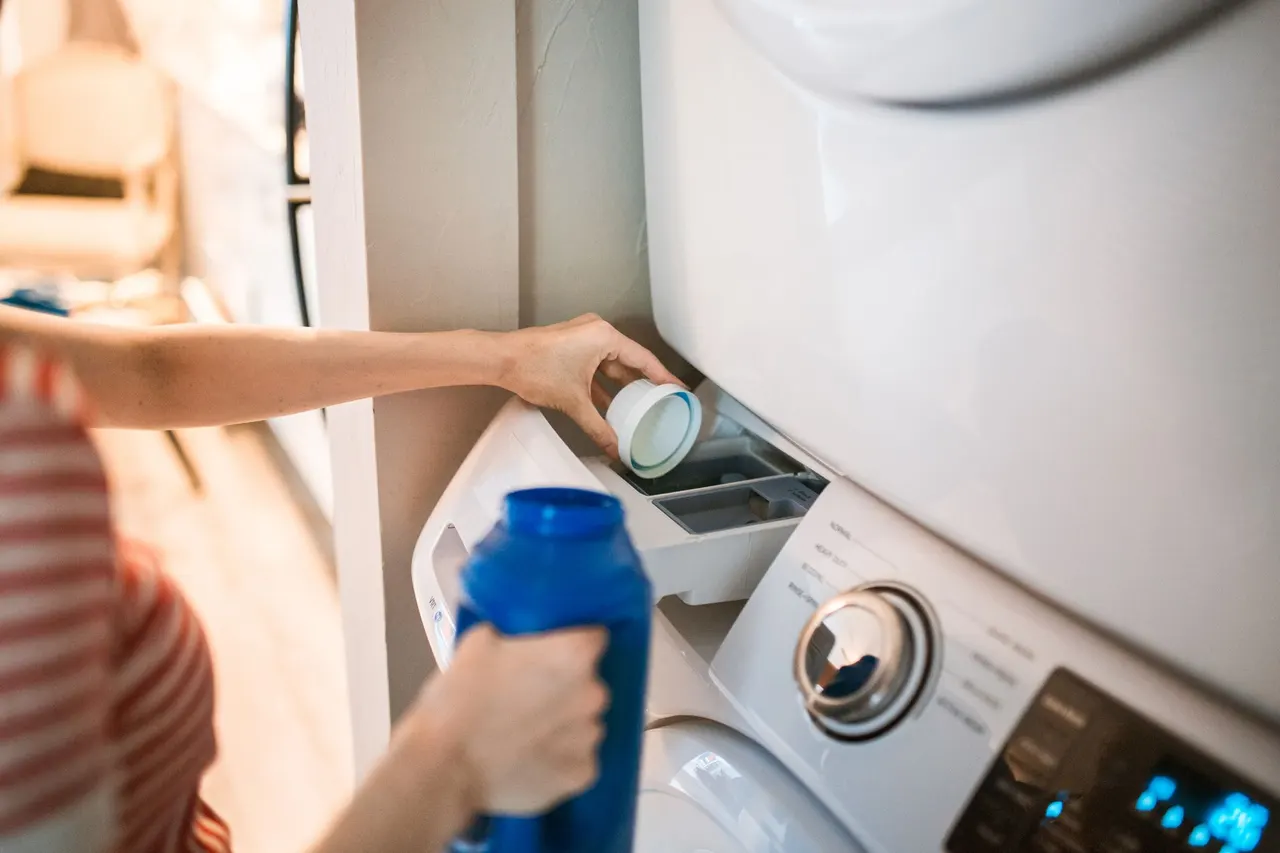
Marietta garages face water from water heater leaks, washing machine overflows, refrigerator lines, roof runoff, and stormwater entering at the door. Sloped driveways and blocked drainage can funnel water toward a low threshold, while a finished garage wall can hide moisture behind trim. We use Marietta garage water removal methods suited to the source and materials, including emergency garage water extraction in Marietta, Georgia when water is still entering. Our first priority is stopping the source, then removing water and monitoring drying.
Practical benefits
Why Garage Water Removal Matters in Marietta
A flooded garage can threaten tools, boxes, vehicles, and the rooms beside it. We focus on the immediate risks first, then use measured extraction and drying rather than guesswork. You get clear next steps for the water source, affected materials, and safe return to normal garage use.
Remove water quickly
We extract pooled water from the slab, around shelving, and beneath movable contents before it migrates farther. For a shallow two-car garage, a high-capacity extractor can remove bulk water in hours, while a moisture meter helps us identify damp edges that still need attention. That gives you a clearer path to moving vehicles and supplies back.
Find hidden dampness
Water can travel beneath base trim or into drywall even when the concrete looks dry. We check several points along the wall and doorway, then compare readings as drying progresses. A thermal imaging camera can help locate temperature patterns associated with moisture, followed by direct meter checks before we decide where airflow belongs.
Protect stored belongings
Cardboard, fabric, and particleboard absorb water fast, so we separate salvageable items from wet materials and raise what can be safely moved. In a garage with 1 to 2 inches of water, the lower shelf and box bottoms often need attention first. We keep access paths open while equipment runs.
Limit secondary damage
Standing water left for a day or more can increase the chance of odor, surface deterioration, and microbial growth, especially in warm, enclosed spaces. We remove water, set air movers and a dehumidifier as readings require, and review the affected area with you. If water came from a drain backup, we use appropriate contamination controls.
How service works
What Happens During Garage Water Removal?
Garage water removal in Marietta starts with a source check and a safe route through the space, not a machine switched on at random. We explain what we are measuring, protect unaffected areas, and adjust the work as the slab and surrounding materials dry. Most customers see extraction and equipment setup on the first visit.
STEP 01
Check the source
We identify whether a failed hose, water heater, drain, roof leak, or storm entry is still supplying water. If it is safe, we help you isolate the relevant shutoff and document visible damage before moving contents. This first check usually takes 15 to 30 minutes, depending on access, and prevents us from extracting water while the source continues.
Tools and methods
Equipment and Drying Methods for a Flooded Garage
Truck-mounted water extractor
We use high-capacity extraction for accessible garages with substantial standing water. Removing bulk water quickly leaves less moisture for drying equipment and makes it easier to inspect the slab and edges.
Portable water extraction unit
A portable unit fits garages with limited driveway access, tight turns, or smaller affected areas. We can move it closer to the water and extract around shelving, utility equipment, and narrow doorways.
Moisture meter
We use a moisture meter to compare readings on affected and unaffected materials. Repeat measurements help track drying progress and guide whether equipment should stay in place or move to another wet area.
Air mover and dehumidifier
Air movers circulate air across damp surfaces while a dehumidifier removes moisture from the enclosed garage. We position them to dry affected areas without blocking the safest route through the space.
Thermal imaging camera
A thermal imaging camera helps identify temperature differences that can point to moisture patterns behind finishes. We confirm suspected dampness with direct meter readings before deciding on further inspection or drying.
Source-first extraction
We determine whether water is still entering and identify its likely category before deploying equipment. Once the source is controlled, we extract standing water from open areas and edges, then inspect adjoining thresholds. This order prevents a continuing leak from undermining cleanup and informs safe handling.
Moisture mapping
We record baseline readings across the garage slab, lower walls, and connected rooms where water may have traveled. Follow-up measurements are compared with unaffected reference points. This gives you a practical record of where moisture remains and helps us adjust equipment placement.
Controlled structural drying
We use air movement and dehumidification to support evaporation from affected materials while monitoring temperature, humidity, and moisture readings. Equipment is positioned for the garage layout and adjusted as conditions change. We follow relevant ANSI/IICRC S500 guidance for water-damage restoration practices.
Contamination-based cleaning
We distinguish clean supply water from stormwater and sewage backup before selecting cleaning procedures. Contaminated water requires protective measures and appropriate cleaning of affected hard surfaces; porous items may need separate handling. We keep people away from the affected zone until the cleanup approach is complete.
Where this service fits
When Should You Call for Garage Water Removal?
A pipe freezes during a cold Marietta night, then releases water across the garage when temperatures rise.
We help identify whether the source is still active, extract the standing water, and inspect the pipe area and lower wall. We use moisture readings to find water that ran behind stored items or along the slab. Air movers and dehumidification follow once bulk water is removed. You get a clear view of the affected area, a drying plan, and guidance on the pipe repair. Removing water promptly reduces the chance of damage spreading into an attached room.
A heavy fall or winter storm drives runoff beneath a garage door on a sloped driveway.
We remove water and loose debris, check the threshold and adjoining wall, and assess whether runoff reached stored goods or another room. If water is still entering, we prioritize safe control before drying. We also identify visible drainage or seal concerns to discuss with a repair professional. The garage floor is cleared and affected materials are monitored rather than left wet beneath boxes. You know whether the water reached beyond the garage and what should be corrected.
A water heater tank leaks while a homeowner is away, leaving water beneath tools and holiday storage.
We extract water from around the tank, move accessible contents out of the wet zone, and check the slab, drain pan, and lower wall. We set equipment to dry damp surfaces and identify whether the tank or connected plumbing needs replacement. Follow-up readings guide the equipment run time. You regain usable floor space and get a clear record of damp areas and remaining repair needs. Stored items are sorted by exposure instead of being put back wet.
A washing machine hose bursts in a garage laundry nook and water runs toward the house entry.
We stop the active flow when safe, extract water from the laundry zone and threshold, and check the adjoining floor. We separate wet fabrics and cardboard, then use air movement and dehumidification where readings show moisture. The failed hose is addressed before the area is returned to service. Water is removed from the travel path, damp materials are identified, and the adjacent room is checked. You can plan the repair and return dry, unaffected items to the garage.
Local execution
How Garage Water Removal Works in Marietta
Marietta garages range from unfinished concrete parking spaces to attached garages with drywall, storage platforms, and utility equipment. Georgia humidity can slow evaporation, especially when a closed garage traps damp air after a summer storm or a cold-season pipe failure. We check whether water reached the house threshold, wall insulation, or stored contents before deciding how much equipment the space needs. Marietta garage water removal also accounts for the water source: roof runoff and stormwater carry different debris than a failed supply line. We follow applicable safety practices and use ANSI/IICRC S500 guidance for restoration work; building repairs should comply with relevant local requirements. Our team works across Cobb County, including East Cobb, Fair Oaks, Sandy Plains, Elizabeth, and Westoak. For a garage water removal in Elizabeth GA, tell us whether the water is active, how deep it is, and whether it came from a drain or clean-water line. Those details help us plan extraction and safe access.
East Cobb
Attached garages with finished walls can hide water that has moved beyond the visible slab. We check thresholds and lower wall edges before setting drying equipment.
Fair Oaks
Garage layouts and driveway grades vary across the area. We look for water entry at the door and inspect nearby stored property before choosing extraction routes.
Sandy Plains
Storm runoff can leave grit and water along garage doors and low corners. We remove standing water and check whether the moisture crossed into an adjoining room.
Elizabeth
For Elizabeth-area garages, we assess utility equipment, slab edges, and storage zones so a leak around a heater or appliance does not go unnoticed.
Westoak
We check the garage-to-home transition and any finished lower wall after an overflow. Readings help identify moisture beyond the visible puddle.
High humidity slows drying inside closed garages
Humid outdoor air can limit evaporation from concrete and stored materials, particularly when the garage door stays closed. We use dehumidification and repeat readings to determine whether the space is progressing rather than relying on a fixed equipment schedule.
Sloped driveways can direct runoff to thresholds
During heavy rain, water can collect at the garage entrance and move beneath the door seal. We inspect the threshold, nearby wall, and interior floor to establish how far water traveled and whether exterior drainage needs attention.
Cold snaps can expose vulnerable garage plumbing
Pipes near exterior walls or unheated utility areas face greater freeze risk during cold periods. If a frozen pipe releases water, we extract the resulting pool and check concealed edges while the source repair is arranged.
Problems we solve
Common Garage Water Damage in Marietta Homes
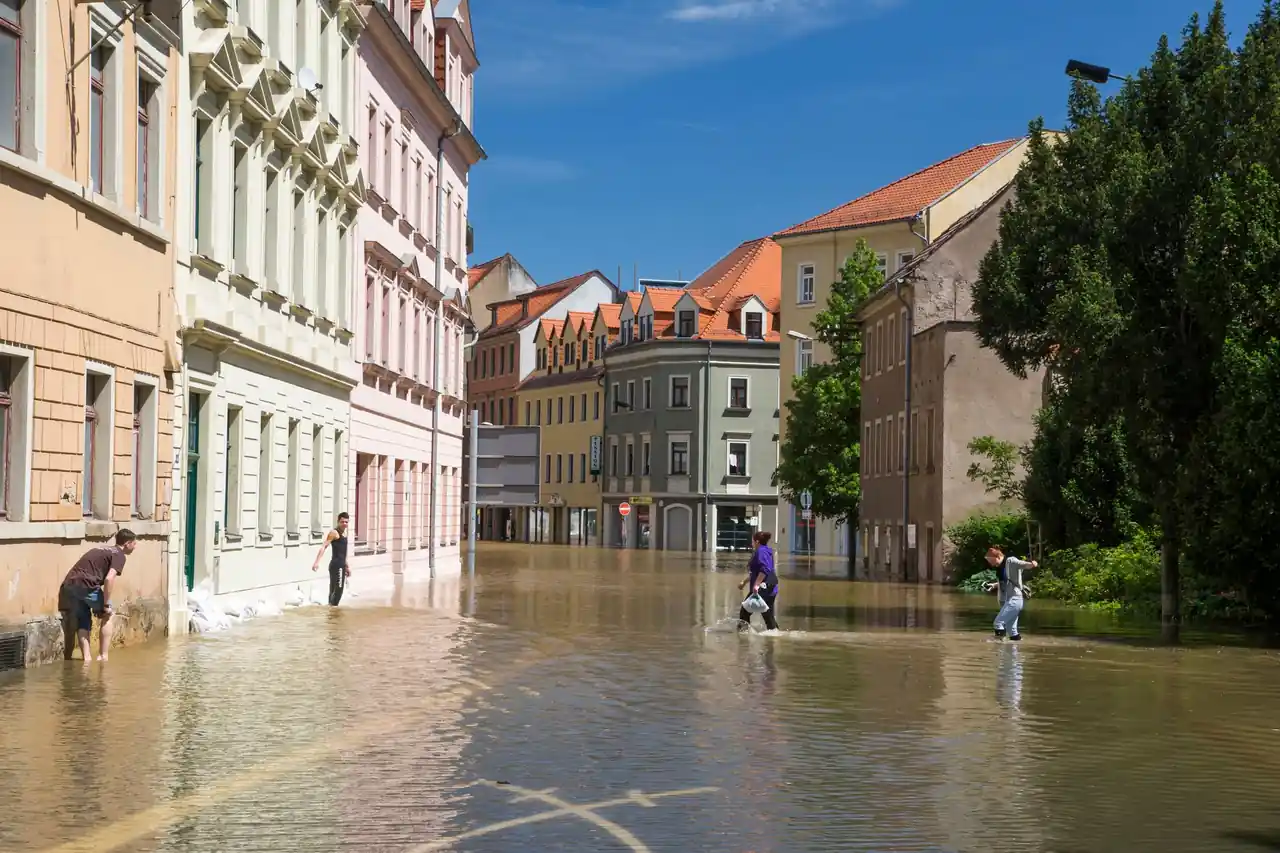
A flooded garage creates more than a slippery floor: water can reach stored belongings, electrical equipment, wall cavities, and rooms beyond the threshold. Garage water removal in Marietta GA near me is often needed after a fast leak or a storm that leaves water where it should not be. We find the affected path, extract water, and set drying priorities based on what got wet.
Water pooling beneath a water heater and garage shelving
We identify the leak path, extract water from around the tank and shelving, and check the slab and wall edges for moisture. We move items only as needed to reach affected surfaces, then place drying equipment where readings show dampness. You receive a clear note about the plumbing repair needed to prevent a repeat. Water can soak cardboard, corrode stored tools, and travel beneath nearby trim. If left in place, damp materials can develop odor and complicate access to the leaking appliance.
Stormwater entering beneath the garage door
We remove pooled stormwater and debris, inspect the doorway and adjacent wall, and check the transition into the house. If the water is contaminated with outdoor material, we use appropriate cleaning and handling practices. We also point out where drainage or door-seal repairs may help keep the next storm outside. Runoff can carry grit across the floor and reach electrical equipment, stored boxes, or an attached room. Water that remains at the threshold can keep migrating after rain stops.
A hidden leak dampening the garage wall
We trace visible moisture patterns and use direct meter readings to locate damp sections. If needed, infrared imaging helps target further checks rather than opening wall areas at random. We extract accessible water, dry exposed surfaces, and explain when a plumber or repair contractor should address the concealed source. A slow pipe or appliance leak can wet drywall and insulation without leaving a large puddle. Concealed moisture can persist after the visible floor dries and contribute to material damage.
Drain backup leaving unsanitary water on the slab
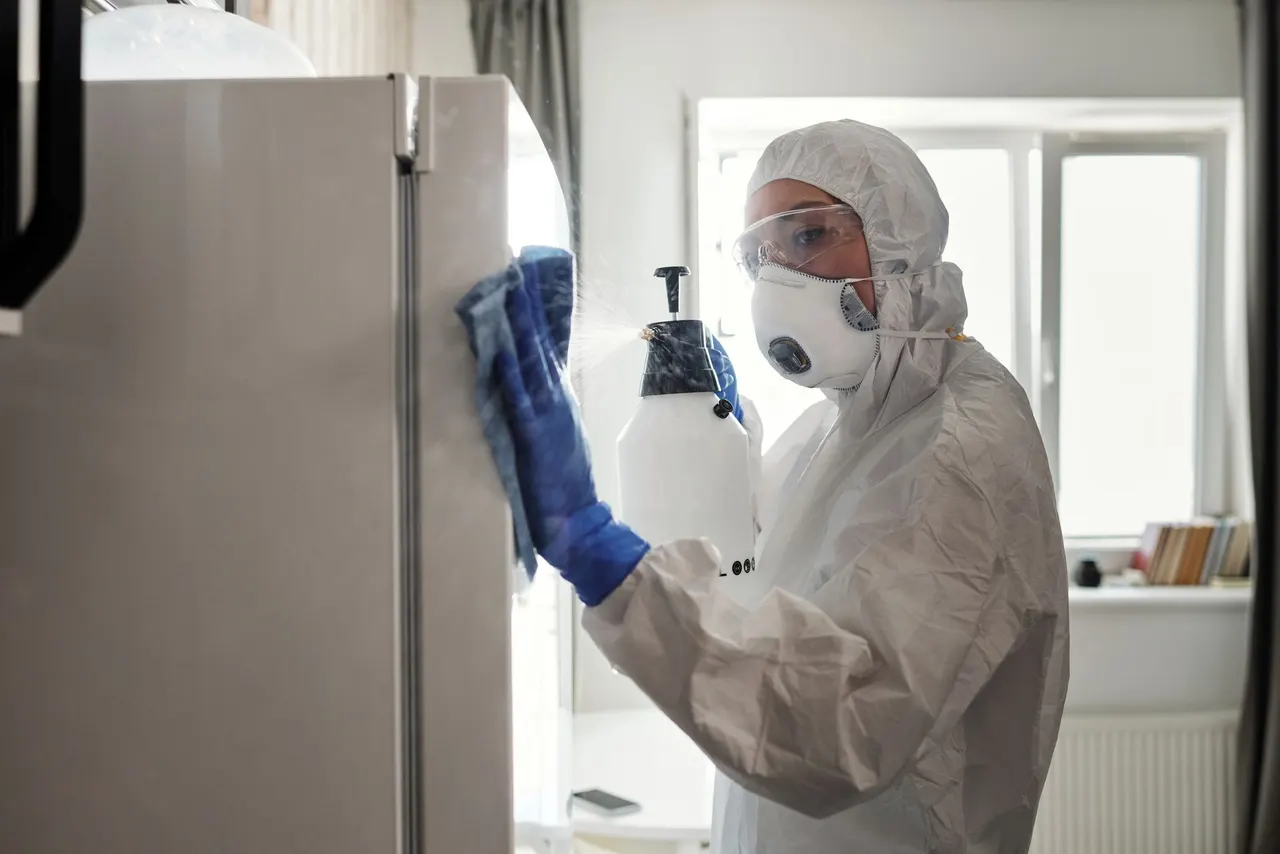
We restrict access, assess the affected area, and use contamination-appropriate extraction and cleaning procedures. Our team separates porous items that cannot be safely restored from cleanable hard surfaces, then supports drying and odor control. We explain which areas must remain off-limits until cleaning is complete. Sewage backup can expose people and pets to contaminants and spread residue across tools, storage, and footwear. Ordinary household vacuuming is not a safe cleanup method.

A practical standard for every visit.
Clear planningPrepared arrivalsCareful workLocal follow-through
Experience in the details
What Should You Do When Your Garage Floods?
Our Marietta team approaches garage flooding as a building-material problem, not just a puddle on concrete. We identify the water category, map affected surfaces, and choose extraction and drying equipment to match the space. Technicians trained in IICRC WRT principles use measured readings and the ANSI/IICRC S500 Standard as a reference for water-damage restoration practices. We do not claim a job is dry because the floor feels cool or looks clean; we compare readings and check concealed edges before equipment is removed.
- We apply IICRC WRT water-damage principles to source identification, extraction, and monitoring of affected garage materials.
- Our technicians use moisture meters to compare wet readings with unaffected reference areas and track drying progress.
- We distinguish clean supply leaks from stormwater or sewage backup before selecting handling and protective measures.
- We position air movers and dehumidifiers around vehicles, shelving, and doorways to preserve safe access.
- We document visible conditions and explain when repairs, contents handling, or additional microbial assessment are warranted.
Where we work
One Local Marietta Water Cleanup Team
Garage water removal cost in Marietta depends on how much water is on the slab, how large the garage is, and whether water reached drywall or stored belongings. A shallow slab flood and water up the walls are very different jobs, so the cost tracks the scope, not a flat fee. We go over what the work involves and what it covers before anything starts.
Smart Water Extraction Marietta handles garage water extraction near you in Marietta, Georgia, including standing-water removal and structural drying. Call 03127734483 and tell us the water source, approximate depth, and whether the leak is active. We use extraction equipment and moisture readings to plan the work. For sewage backup or contaminated floodwater, keep people and pets out of the affected area until it has been assessed.
If your garage floods in Marietta, Georgia, stay out of standing water near outlets, shut off the source only if safe, and move people away from electrical hazards. Do not run a vehicle through pooled water or use household appliances in a wet area. Photograph visible damage from a dry location, then call for emergency garage water extraction in Marietta, Georgia. Tell us whether the water came from a pipe, storm, or drain.
Garage water removal in Marietta GA usually takes two to five days when structural drying is needed; bulk extraction often takes one to three hours. A bare concrete slab with a small clean-water leak can dry faster, while wet drywall, humid weather, or water beneath stored contents extends the job. We check moisture readings during the process and remove equipment when affected materials meet the drying target.
Keep exploring
Related Water Cleanup Services
Your next step is waiting
Call for Garage Water Removal in Marietta, GA
Water spreads beneath stored items and along wall edges faster than a mop can keep up. Our IICRC WRT-trained team will assess the source, remove standing water, and explain the drying plan. Call 03127734483 now to arrange service for your Marietta garage.
Start with the basics
Contact Our Marietta Water Cleanup Team
Call Smart Water Extraction Marietta at 03127734483 for help with a flooded garage, leak, or overflow. Tell us your neighborhood, the affected areas, and whether water is still coming in, and we will talk through the practical next step. We serve Marietta, Georgia and the surrounding Cobb County areas.