
Wet carpet water extraction
Wet Carpet Water Extraction in Marietta, GA
Wet carpet water extraction in Marietta, GA pulls water out of soaked carpet and the pad underneath before it ruins the floor and starts to smell. Smart Water Extraction Marietta extracts the water, checks the pad and subfloor, and dries the carpet so a one-time soaking does not become a full tear-out. We handle wet carpet across Marietta and nearby Cobb County.
Service overview
What Is Wet Carpet Water Extraction?
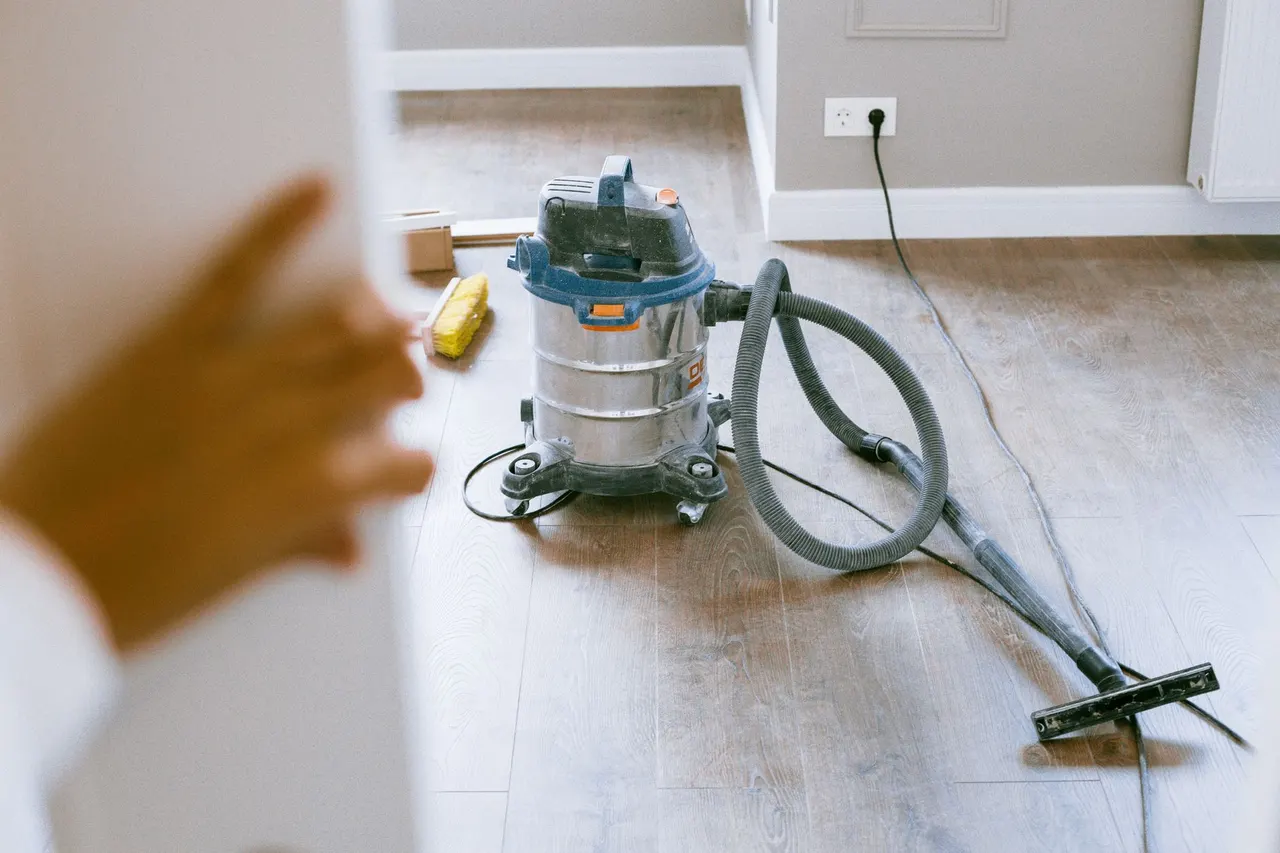
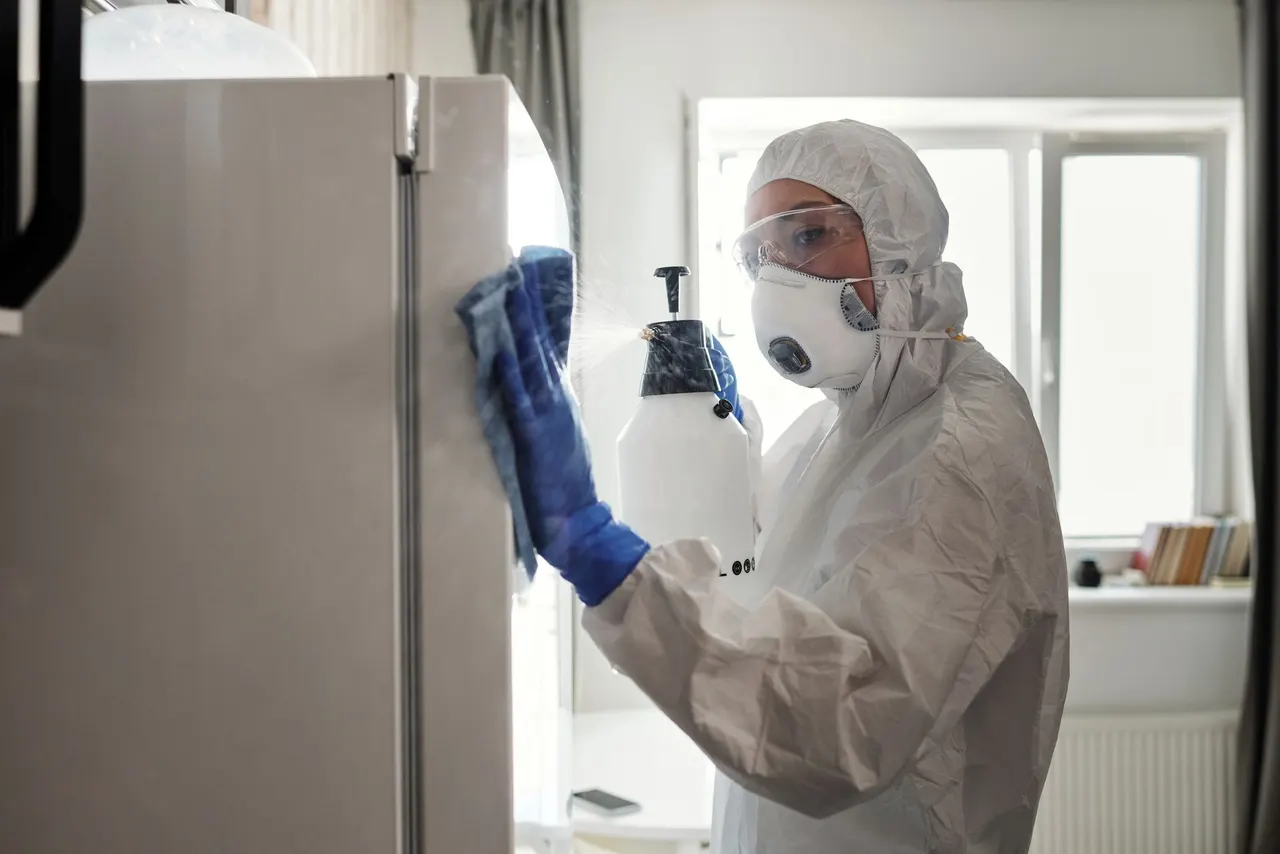
Wet carpet water extraction in Marietta is a water-damage cleanup service that removes liquid from carpet and nearby flooring after a leak or overflow. We inspect the affected area, identify the water source, and use a truck-mounted water extractor or portable water extraction unit to pull water from carpet fibers and padding. A carpet wand helps cover broad areas evenly, while a moisture meter checks carpet, pad, and accessible subfloor. We then place air movers and a dehumidifier according to measured conditions, not guesswork.
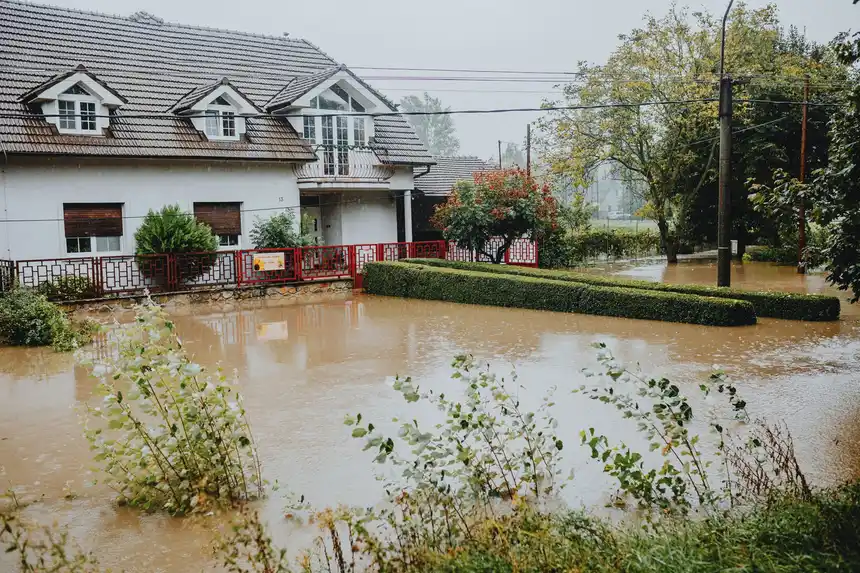
Marietta homes face wet-carpet incidents from washing machine overflows, refrigerator water line leaks, burst pipes, and summer air-conditioner condensate leaks. Cobb County storms can also push water through a roof opening or low entry point. Our carpet water removal Marietta service starts by stopping the source when it is safe to do so, then separates salvageable materials from items that need removal. If you are searching for wet carpet water extraction in Marietta GA near me, tell us what leaked and when it started.
Practical benefits
Why Wet Carpet Water Extraction Matters in Marietta
Fast, measured extraction gives your carpet a better chance of drying before odors and secondary damage set in. We focus on the materials beneath the visible wet spot, because a carpet that feels nearly dry can still hold moisture in its pad or subfloor.
Less water left behind
Our extractor removes free water from carpet before drying equipment takes over. We take repeat moisture readings instead of judging by touch alone, then position air movers to move air across the damp surface. That extra measurement helps identify wet edges and hidden pockets, so you are not left with a damp strip beside a dry-looking room.
Earlier odor control
Damp carpet and padding can develop stale odors if they remain wet. We extract first, then manage airflow and humidity with a dehumidifier; an antimicrobial solution is used only when the material and contamination call for it. If water came from a drain or sewage backup, we treat the response as a contamination issue rather than routine clean-water drying.
Clearer salvage decisions
We check carpet construction, pad condition, water category, and the moisture below the floor covering before recommending what stays. A small clean-water spill caught early is different from a long-standing leak or contaminated overflow. You get a practical explanation of whether the carpet can be dried in place or needs targeted removal.
Documented drying progress
Moisture readings give you a record of conditions as drying progresses. We use those readings to adjust equipment rather than leaving machines on a fixed schedule. For a typical single-room loss, drying often takes 24 to 72 hours, depending on how much water entered, room conditions, and the materials involved.
How service works
What Happens During Wet Carpet Water Extraction?
Marietta wet carpet extraction follows a clear sequence: control the source, remove water, measure affected materials, and dry the assembly. We explain what we find as we work, so you know which areas are wet and what each piece of equipment is doing.
STEP 01
Source check
We begin by locating the likely source and checking whether water is still entering the room. A burst pipe, washing machine hose, or water heater leak needs attention before extraction can keep pace. We ask when the incident began, identify visible hazards, and isolate the affected area where practical. This first check usually takes 10 to 20 minutes for a straightforward room.
Tools and methods
Equipment and Drying Methods for Wet Carpet
Truck-mounted water extractor
We use truck-mounted extraction when access allows, removing substantial free water through controlled passes over wet carpet and padding.
Portable water extraction unit
A portable unit fits upper floors, apartments, and locations where truck access is limited, while still providing focused water removal.
Moisture meter
We compare moisture readings at carpet, edges, and accessible flooring to map the wet area and track drying progress.
Air mover and dehumidifier
Air movers circulate air across damp surfaces while a dehumidifier removes moisture from the room, supporting controlled drying.
Thermal imaging camera
A thermal imaging camera helps us identify temperature patterns that may indicate hidden moisture; direct moisture checks confirm the finding.
Floor drying mat system
Where the floor assembly and conditions suit it, a floor drying mat system draws moisture from beneath the floor covering.
Measured extraction passes
We work in overlapping sections with a carpet wand or suitable extraction tool, checking the result as we go. Repeat passes remove remaining free water without treating surface appearance as proof of dryness. We pay close attention to seams, room edges, and the path water followed.
Targeted airflow and dehumidification
We arrange air movers to carry air over wet carpet and direct moisture toward a dehumidifier. Placement changes with room shape, furniture, and readings. The goal is effective circulation without blocking doors or pushing air into unaffected areas.
ANSI/IICRC S500-informed assessment
We use the ANSI/IICRC S500 Standard as a reference for water-damage restoration decisions, including assessment, extraction, and drying documentation. Water source and material condition guide the response. We explain when a clean-water drying plan is inappropriate because contamination changes what can safely remain.
Progress verification
We compare follow-up moisture readings with the initial map, inspect nearby materials, and adjust equipment when readings show continued dampness. This gives you a practical record of drying progress. We do not call a room finished solely because the carpet surface feels dry.
Where this service fits
When Should You Call for Wet Carpet Extraction?
A washing machine hose fails in a Marietta laundry room and water reaches the carpeted hall.
We help stop the source, extract water from both surfaces, and check the hallway edge where water commonly runs under carpet. Air movers and a dehumidifier are set to address the damp assembly. We also assess whether the pad has taken on enough water to require a different approach. Your hallway is not left to dry by guesswork, and the laundry-room leak is addressed as part of the same drying plan.
A refrigerator water line leaks overnight in an East Cobb kitchen beside a carpeted family room.
We trace the visible path from the appliance, check carpet and nearby baseboards, and extract affected areas. Moisture readings help establish whether water crossed beneath the threshold. We set airflow to dry the transition and document the affected area for your records. You get a clear view of the wet footprint and a measured drying plan, rather than treating only the obvious puddle.
A winter pipe failure leaves a bedroom carpet saturated before the household wakes.
We assess whether water is still flowing, identify the affected room boundaries, and remove standing water with appropriate extraction equipment. We check carpet, pad, and accessible subfloor, then set drying equipment. If the water source is a frozen pipe, the plumbing issue must be controlled before drying can finish. Prompt extraction reduces standing water and gives the bedroom a defined route toward drying and safe reuse.
A summer storm pushes water under an exterior door in a Marietta apartment.
We inspect the water source and contamination risk before treating the carpet. Our team contains foot traffic, extracts suitable water, and checks the carpet edge and adjacent flooring. Drying equipment is placed to serve the wet area without spreading debris into unaffected rooms. The wet zone is separated from clean areas, and you know whether the carpet can be dried or needs further removal.
Local execution
How Wet Carpet Water Extraction Works in Marietta
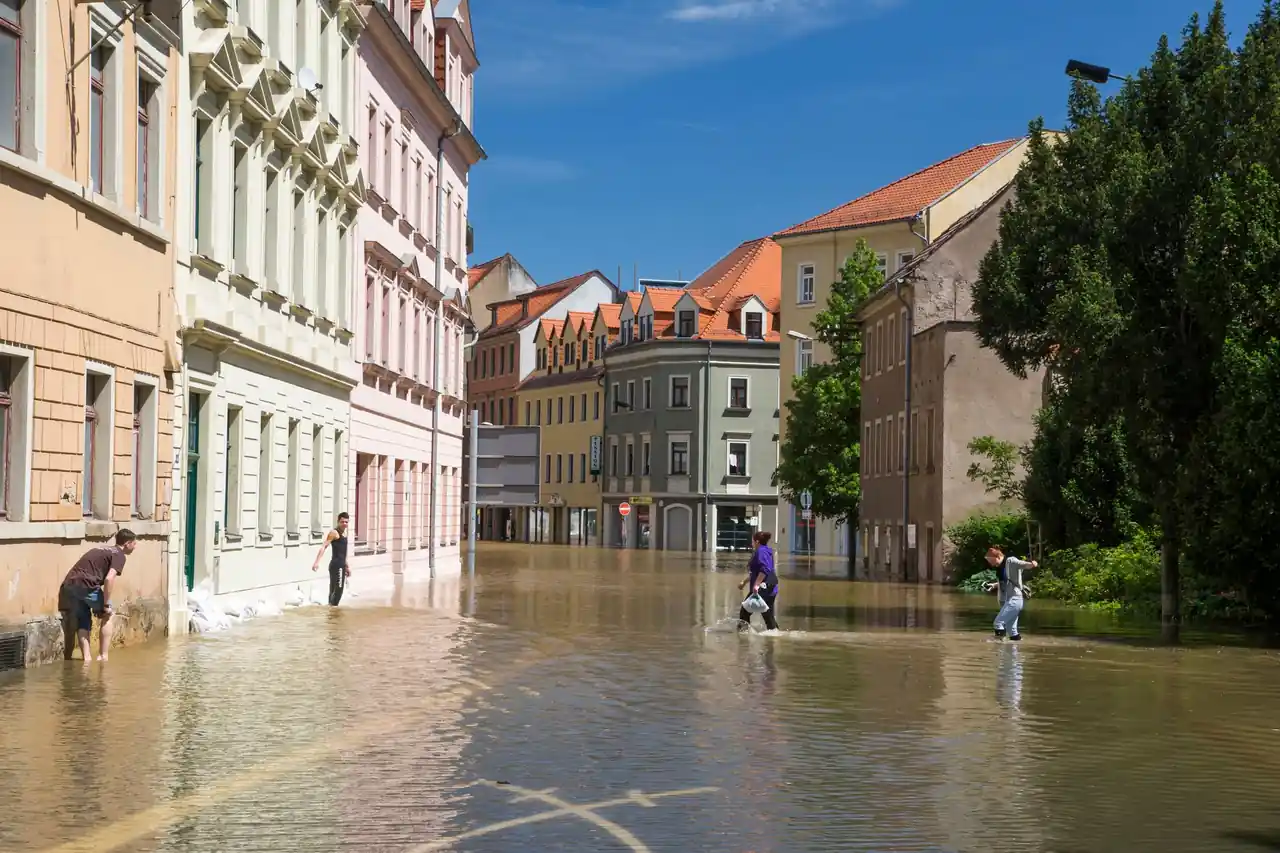
Marietta's humid summers slow evaporation, so soaked carpet needs active extraction and controlled dehumidification rather than open windows alone. Winter cold snaps can bring frozen-pipe leaks, while spring and summer storms can drive water through roof openings or low door thresholds. We plan around the source and the building, whether your carpet is in a slab-on-grade home, an upstairs apartment, or a commercial suite in Cobb County. Older flooring transitions, finished basements, and tight utility closets can hide water beyond the visible stain. Our Marietta wet carpet water extraction crew checks those edges and chooses truck-mounted or portable equipment based on access. If you need wet carpet extraction Marietta GA, call with the leak source, floor level, and whether electricity is safe; that information helps us prepare a suitable response. Georgia properties also require attention to electrical safety and material condition before drying equipment is placed.
East Cobb
Larger homes may have carpeted rooms adjoining kitchens and laundry areas; we check transitions where appliance leaks can travel out of sight.
Fair Oaks
Apartment and multi-unit layouts make it important to inspect thresholds and neighboring rooms after an overflow or supply-line leak.
Sandy Plains
Storm-driven water near exterior entries can spread beneath carpet edges, so we check the perimeter as well as the visible wet patch.
Westoak
We plan equipment placement around room access and household traffic, keeping drying airflow directed across the wet assembly.
Humid summer air slows carpet and padding evaporation
High indoor humidity can limit natural drying and leave moisture in carpet backing or padding. We use extraction first, then dehumidification and air movement guided by readings so the room is not left to dry on its own.
Cold snaps raise the chance of hidden pipe leaks
A frozen or split line may release water behind a wall before it reaches carpet. We check the visible water path and nearby edges, but the plumbing source must be controlled to prevent repeated saturation during drying.
Storm runoff can enter at low doors and roof openings
Outdoor water may carry debris and affect more than carpet fibers. We assess the source and contamination concerns first, then decide whether extraction and in-place drying are appropriate for the affected materials.
Problems we solve
Common Wet Carpet Water Damage in Marietta Homes
Wet carpet traps water below the surface, where it can affect padding, floor edges, and nearby finishes. We identify the source and the extent of the damp area, then extract and dry materials that are suitable to keep. Acting early reduces the chance that a small spill becomes a larger restoration problem.
Carpet feels dry on top but squelches near the doorway
We check the doorway, carpet backing, and accessible flooring with moisture readings, then make additional extraction passes where water remains. Air movers are positioned to move air across the damp edge, while dehumidification manages room moisture. We recheck the area rather than assuming the first pass reached every pocket. Water can remain in the pad or at the edge of the flooring, creating persistent dampness and odor even after the visible surface dries.
A supply-line leak has soaked carpet under furniture
We identify the affected footprint, move accessible items when practical, and extract carpet around and beneath the wet area. We check nearby baseboards and use targeted airflow to dry the covered zone. If water has affected furniture or a larger floor assembly, we explain the additional steps needed. Furniture can hide wet fibers and trap moisture against the floor, leaving discoloration or odor after the open area appears dry.
Storm water has crossed the threshold into a carpeted room
We first assess the water source and visible debris, then limit movement through the wet zone. We extract water that is appropriate to remove and determine whether carpet or pad needs removal because of contamination. Our team keeps clean and affected areas separated during the work. Outdoor water may contain debris, and spreading it through the home can increase the affected area and complicate safe drying.
An appliance overflow keeps returning to the same carpet spot
We look for active water, ask when the appliance last ran, and identify the wet path before extracting. Once the source is stopped, we remove water and measure the affected floor. Repeated incidents receive a broader inspection so the drying setup covers the full damp footprint. Repeated wetting prevents drying and can damage carpet backing or the pad, even when each incident seems small.
A practical standard for every visit.
Clear planningPrepared arrivalsCareful workLocal follow-through
Experience in the details
Can Wet Carpet Be Saved After a Leak?
Wet carpet water extraction takes more than a powerful vacuum: the technician must read the water source, flooring assembly, and moisture pattern together. Our local experience covers room-scale leaks, multi-room overflows, and storm-related wet carpet across Marietta. We use IICRC WRT training principles and the ANSI/IICRC S500 Standard as technical references for water-damage work. We do not claim a particular job count or tenure; we focus on measured conditions, careful equipment placement, and clear communication with you from the first inspection through drying checks.
- IICRC WRT training supports practical decisions about water categories, extraction, and structural drying steps.
- We use the ANSI/IICRC S500 Standard as a reference for professional water-damage restoration practices.
- Moisture mapping helps distinguish surface dampness from water held in carpet pad or accessible subfloor.
- Our technicians adapt truck-mounted or portable extraction equipment to room access and the size of the loss.
- We explain contamination concerns plainly when a drain overflow or sewage backup changes the cleanup approach.
Where we work
One Local Marietta Water Cleanup Team
Wet carpet extraction cost in Marietta depends on how much water the carpet holds, how large the area is, and whether the pad and subfloor stayed wet. A quickly caught spill and a room soaked through to the pad are very different jobs, so the cost tracks the scope, not a flat fee. We go over what the work involves and what it covers before anything starts.
Smart Water Extraction Marietta handles carpet water removal in Marietta for homes, apartments, and businesses. Call 03127734483 and describe the source, how long the carpet has been wet, and whether water is still entering. We ask about access, affected rooms, and possible contamination, then arrange the appropriate extraction equipment. For a search like emergency carpet water removal in Marietta, Georgia, those details help us understand urgency and prepare for the first visit.
Yes, wet carpet can often be saved after a clean-water leak if extraction starts promptly and the carpet, pad, and subfloor can be dried safely. The decision depends on water quality, how long materials stayed wet, and whether the backing or pad has separated. We inspect and measure before recommending in-place drying or removal. Contaminated water from sewage or some overflows requires a different cleanup decision.
Extraction for one average room often takes 30 to 90 minutes, while controlled drying commonly takes 24 to 72 hours. Larger areas, saturated padding, or water under flooring extend the work. We measure moisture during follow-up checks and adjust air movers or dehumidification as needed. The clock depends on the amount and type of water, room temperature, humidity, and the materials beneath your carpet.
Keep exploring
Related Water Cleanup Services
Your next step is waiting
Call for Wet Carpet Water Extraction in Marietta, GA
Tell us what leaked, when it happened, and which rooms are wet. Our team will help you take the next practical step and arrange the right extraction response. Call 03127734483 now for upfront pricing and help with your soaked carpet.
Start with the basics
Contact Our Marietta Water Cleanup Team
Call Smart Water Extraction Marietta at 03127734483 for help with wet carpet, a leak, or flood cleanup. Tell us your neighborhood, the affected rooms, and whether water is still coming in, and we will talk through the practical next step. We serve Marietta, Georgia and the surrounding Cobb County areas.